
BLADDER CANCER
BCG Treatment After TURBT: What to Expect, Side Effects and When to Call
Why treatment can continue after tumour removal, what each appointment involves, and when to seek help.

Key takeaways
- BCG is an immune treatment, not conventional chemotherapy.
- The schedule depends on risk, response and tolerance.
- Report fever promptly; do not wait if you feel seriously unwell.
BCG is an immune treatment placed directly inside the bladder to reduce the chance of certain non-muscle-invasive bladder cancers returning and to help reduce progression risk in appropriate patients. It may be recommended after TURBT even when the visible tumour has been removed. It is not needed for every bladder tumour, and it does not replace cystoscopy follow-up.
For the broader pathway, read my bladder cancer guide.
What exactly is BCG, and is it chemotherapy?
BCG stands for Bacillus Calmette–Guérin. It contains a weakened live bacterium related to the one used in tuberculosis vaccination. In bladder cancer care, a preparation intended for intravesical treatment is introduced through a catheter, not injected as a childhood vaccine.
BCG stimulates an immune response in the bladder. It is not conventional chemotherapy. Although it is given locally, it can cause effects beyond the bladder, including uncommon but serious infection. This is why checking your health before each dose and reporting symptoms afterwards matter.
Having had a BCG vaccination earlier in life does not replace bladder treatment or automatically rule it out.
Who may need BCG after TURBT?
BCG is commonly considered for high-risk non-muscle-invasive bladder cancer, including CIS, and for selected intermediate-risk disease. Low-risk tumours usually follow a different pathway.
The decision is not based on one word in the report. Stage, grade, CIS, tumour number, size, recurrence pattern and previous treatments all matter. Some patients need repeat TURBT to complete resection or clarify staging before starting BCG.
For very high-risk disease, early bladder removal may also need discussion. BCG is not a substitute for the treatment required for established muscle-invasive cancer.
When does treatment start, and how long does it continue?
BCG starts after the bladder has had time to heal and your team considers instillation safe. It is not given during the first two weeks after TURBT. Visible bleeding, symptomatic urinary infection or traumatic catheterisation are reasons not to proceed at that visit.
An initial course, called induction, commonly involves one treatment each week for six weeks. Maintenance means further courses after induction. Depending on your risk, response, tolerance and access to treatment, the overall plan may extend for one to three years.
These are general patterns, not a personal prescription. Your team should give you a written calendar and explain when cystoscopy will assess the response. Do not shorten the course or restart a missed dose yourself.
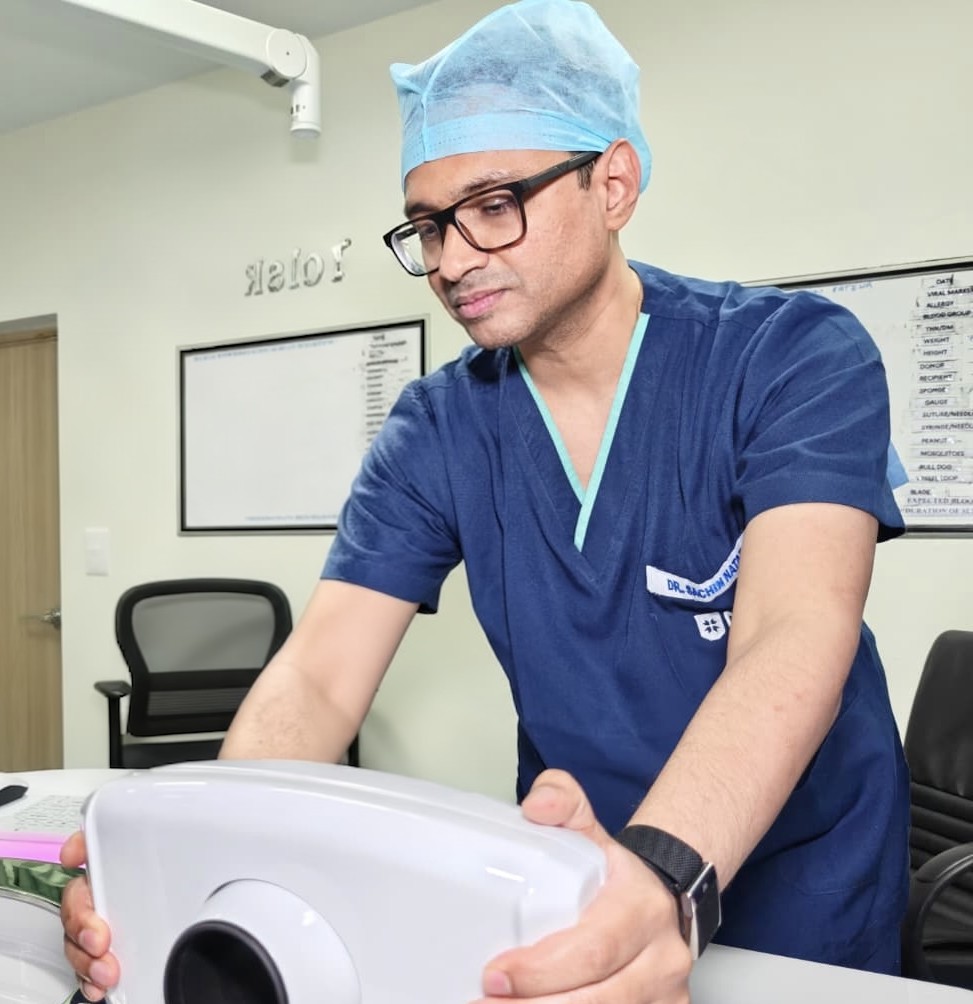
FROM DR. SACHIN“BCG may be recommended even after the visible tumour has been removed, because it helps reduce the chance of the cancer coming back. And if you develop a fever or feel seriously unwell after treatment, please call us promptly rather than waiting.”
— Dr. Sachin Arakere Nataraj
What happens during a BCG appointment?
Before treatment, tell the team about fever, burning urine, visible blood, recent illness, antibiotics and any difficulty after the previous dose. The clinician decides whether urine testing or postponement is needed.
A small catheter is passed through the urine passage into the bladder. Urine is drained and the BCG solution is introduced. Your team explains how long to retain it, how it will be emptied and what to do if you cannot hold it comfortably.
Tell the team about medicines that suppress immunity, transplant medicines, steroid treatment, pregnancy or possible pregnancy, and any history or symptoms of active tuberculosis. Do not stop prescribed medicines on your own.
How should I prepare and manage things at home?
Ask for written instructions covering drinking before and after treatment, regular medicines, toilet hygiene, sexual precautions and whom to contact outside clinic hours.
Because BCG contains live organisms, urine handling needs specific precautions for a period after treatment. Follow the unit's instructions for using the toilet, handwashing, cleaning splashes and protecting anyone helping you. Never mix cleaning chemicals or improvise a disinfectant recipe.
Fluid advice needs adjustment if you have heart disease, impaired kidney function or a fluid restriction. Ask your treating team rather than forcing large amounts of water.
Which side effects can occur?
Burning when passing urine, urgency, frequency, tiredness and mild flu-like symptoms can occur after BCG. Some symptoms settle over the next day or two, but persistent, worsening or severe symptoms need advice.
Keep a record of the treatment date, temperature and symptoms. Tell the team before the next appointment even if symptoms have improved. Side effects do not prove that treatment is working better, and suffering through them is not the goal.
Do not self-start antibiotics or anti-tuberculosis medicines. Your clinician may need to distinguish bladder irritation from urinary infection or a BCG-related complication.
When should I call urgently?
Contact your treating team promptly for fever, worsening urinary symptoms, persistent bleeding or symptoms that interfere with drinking, sleeping or daily activity.
Seek urgent medical assessment for high fever, shaking chills, breathing difficulty, confusion, feeling faint, inability to pass urine or feeling seriously unwell. Tell the emergency clinician that you have recently received intravesical BCG and give the treatment date. Do not wait for the next scheduled dose.
A temperature of 38.5°C or above warrants prompt contact; persistent fever is particularly concerning. Do not wait for a particular duration if you feel unwell.
BCG aftercare at home: what to do after each treatment
Your care team will confirm your exact instructions, because details can differ between hospitals and BCG products. The steps below reflect what published patient guidance commonly advises.
Holding the treatment. You will usually be asked to hold the BCG in your bladder for about two hours before passing urine, and not to drink during that time. If you cannot hold it that long, tell the team; do not worry or try to force it.
Fluids. After you first pass urine, drinking extra fluids for the rest of the day helps flush the bladder, unless you have been told to limit fluids because of heart or kidney problems. Tea, coffee and alcohol can irritate the bladder, so some people find it easier to avoid them for a day.
Toilet hygiene for about six hours. BCG contains live, weakened bacteria, so for about six hours after treatment:
- Sit down to pass urine, including men, to avoid splashing.
- After each time, add undiluted household bleach to the toilet (leaflets commonly advise about one to two cups), close the lid, leave it for about 15 minutes, then flush. Use bleach on its own and never mix it with other cleaning products.
- Wipe up any splashes, and wash any clothing that gets urine on it separately.
Handwashing. Wash your hands and genital area with soap and water every time you pass urine during this period.
Sex and pregnancy. Avoid sex for at least a day or two after each treatment. Use a condom during the course of treatment and for a period afterwards; your care team will tell you how long, as advice ranges from about a week to several weeks after treatment. Avoid becoming pregnant or fathering a child during treatment, and discuss family planning with your team. Breastfeeding is not advised during BCG treatment.
What to expect. Burning when you pass urine, needing to go more often or urgently, a little blood or debris in the urine, tiredness and mild flu-like symptoms with a slight temperature are common. These usually settle within about two to three days. Paracetamol may help, if it is suitable for you.
Contact the team urgently if you have:
- a temperature of 38.5°C or higher, or any fever lasting more than 48 hours
- shivering or shaking chills
- feeling very unwell, or worsening tiredness
- new joint pain
- eye pain, redness or blurred vision
- a new cough or breathlessness
- being unable to pass urine
- heavy bleeding or clots in the urine, or symptoms that are not settling after two to three days
Call Dr. Sachin's clinic on +91 76762 73920. If you have a severe emergency, such as difficulty breathing, confusion, feeling faint or a very high fever, go to the nearest emergency department. Tell the doctors there that you have recently had BCG treatment into the bladder and give the date.
What if I miss a dose or the cancer returns?
Contact the team to rearrange a missed treatment. A short safety-related delay does not automatically mean failure, but the revised plan depends on why the dose was missed and how much treatment you have received.
A recurrence after BCG also needs careful classification. Grade, stage, timing and previous doses determine whether further BCG is reasonable or another approach is preferable.
For disease meeting the definition of BCG-unresponsive cancer, simply repeating BCG may not be appropriate. Bladder removal and reconstruction and selected bladder-preserving alternatives may need discussion. Availability and suitability vary; no option should be promised without assessment.
What are the short answers to common questions?
Can BCG guarantee that cancer will not return?
No. It reduces risk in suitable patients but cannot remove the need for monitoring.
Do I still need cystoscopy if I feel well?
Yes, according to your agreed plan. Symptoms alone cannot confirm that the bladder is free of cancer.
Can I have BCG while taking antibiotics?
Tell your team. The reason for antibiotics, the medicine and your symptoms need review before deciding whether to proceed.
How long should I hold BCG in my bladder, and what toilet precautions are needed?
Usually for about two hours. Then, for about six hours after treatment, sit to pass urine, add undiluted household bleach to the toilet and leave it for about 15 minutes before flushing, and wash your hands and genital area each time. Your care team will confirm your exact instructions.
When should I seek urgent help after BCG?
Contact the team urgently for a temperature of 38.5°C or higher, any fever lasting more than 48 hours, shivering, feeling very unwell, joint pain, eye symptoms, a new cough, being unable to pass urine or heavy bleeding. For a severe emergency, go to the nearest emergency department and tell them you have had BCG.

How can I discuss whether BCG is right for me?
Bring your TURBT report, pathology, scans and a dated record of previous instillations to a consultation with me at Max Super Speciality Hospital, Noida. Arrange an appointment or second opinion to review the purpose, alternatives and follow-up plan.
Patient education only; follow the treating unit's individual instructions.
Questions to ask your surgeon
- Why is BCG appropriate for my risk group?
- What is my induction and maintenance plan?
- Which symptoms mean I should call, and whom do I contact?
- When will we assess response and discuss alternatives?

About Dr. Sachin Arakere Nataraj
Uro-Oncologist, Robotic Surgeon and Focal Therapy Surgeon
Max Super Speciality Hospital, Noida · Noida and Delhi NCR
His clinical practice includes kidney and bladder cancer assessment and surgical treatment.
Prepare for a consultation or second opinion →References & further reading
Hero is an AI-generated illustration featuring Dr. Sachin Arakere Nataraj. In-article and author photographs are real, supplied photographs unless labelled as AI-edited.